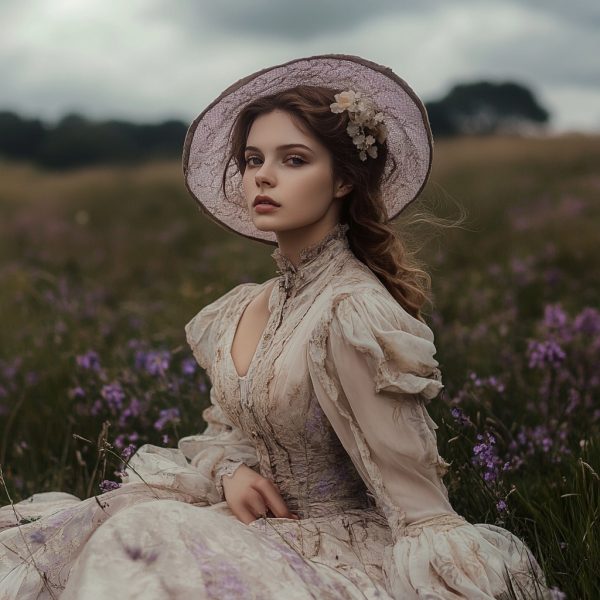
Let’s just put it out there: we’re living in an era where escapism is practically another vaccine. Political headlines fry our nerves daily, streaming services are our new babysitters, and some of us are still reeling from the fact that we spent the majority of our adult lives scrolling Tinder like it’s a part-time job. Enter the Bridgerton books—Julia Quinn’s fluffy historical romances that have become the go-to for those nights when you want a shot of dopamine sweeter than your best friend’s home-baked macarons.
Of course, Netflix turned it all up to eleven with Shonda Rhimes’s pastel explosions and orchestral covers of Ariana Grande, but it all started with Quinn’s novel series about the eight Bridgerton siblings—Daphne, Anthony, Benedict, Colin, Eloise, Francesca, Hyacinth, and Gregory—living in a version of Regency London that is basically the lovechild of Gossip Girl and a Jane Austen fever dream.
1. The Books in Order (Because We’re Completionists at Heart)
- The Duke and I – Daphne Bridgerton & Simon Basset, Duke of Hastings
- The Viscount Who Loved Me – Anthony Bridgerton & Kate Sheffield
- An Offer From a Gentleman – Benedict Bridgerton & Sophie Beckett
- Romancing Mister Bridgerton – Colin Bridgerton & Penelope Featherington
- To Sir Phillip, With Love – Eloise Bridgerton & Sir Phillip Crane
- When He Was Wicked – Francesca Bridgerton & Michael Stirling
- It’s in His Kiss – Hyacinth Bridgerton & Gareth St. Clair
- On the Way to the Wedding – Gregory Bridgerton & Lucy Abernathy
Each sibling essentially tries (and often fails) to navigate London’s marriage market without drowning in rumors or unraveling centuries-old patriarchal expectations. Bonus points if they can avoid catching syphilis from a masked ball, but hey, this is a fantasy.
2. Characters, Plot Events, and Why Bees Are Suddenly Sexy
- Daphne & Simon (Book 1): She’s the sweet debutante who wants a respectable match; he’s the brooding duke with daddy issues. They fake a courtship so society’s gossips can get off their backs—and we all know how fake dating goes in romance. (Hint: it quickly becomes not fake.) Scenes of “lesson in seduction” ensue, which Netflix turned into that montage that had half of Twitter fanning themselves and the other half debating the ethics of certain bedroom behaviors.
- Anthony & Kate (Book 2): Anthony’s the overprotective eldest who hates bees. Or rather, he’s stung by one—and ends up in a comedic fiasco that compels marriage to Kate Sheffield. This is 19th-century law, people: a bee sting, two seconds of heavy breathing, and boom—you’re practically signing the wedding registry. There’s also a competitive pall-mall game (think croquet on steroids) that’s as fierce as any reality TV show challenge.
- Benedict & Sophie (Book 3): Cinderella meets Regency. Sophie is the illegitimate daughter forced to be a servant, and Benedict’s the middle Bridgerton brother who fancies himself a painter. Think masked balls, missing shoes, and the usual nonsense that stands in for character growth. Quinn’s writing style is so breezy, it’s like she’s encouraging us to chug a mimosa between chapters.
- Colin & Penelope (Book 4): This is the big reveal of Lady Whistledown’s identity. Penelope Featherington has been the overlooked wallflower—shockingly single at 28 (basically ancient in Regency years)—but carrying a saucy secret. Colin’s the flighty charmer with a penchant for traveling the world. Their banter is arguably the best part of the entire series, culminating in “Wait, are we actually perfect for each other?” revelations that romance fans can see from a mile away.
…and so on. Each subsequent sibling’s story is like a sweet dessert: you know it’s practically the same recipe, but you keep ordering it because life is short and the sugar high feels so good.
3. The Netflix Adaptation: Cotton Candy Meets High Drama
Enter Shondaland, which basically said, “Let’s keep the romance, dial up the sex, and add a multiracial cast that actually reflects the real diversity of the era.” (Yes, there were people of color in Regency England, so calm down, historical purists.) Shonda & Co. also introduced a brand-new subplot involving Queen Charlotte, who casually snacks on scandal like the tabloids snack on Prince Harry’s memoir. The costumes are flamboyant, the music is Ariana Grande re-imagined by a string quartet, and we get an entire season’s worth of swirling neon color schemes that do not exist in nature. But do we care? Absolutely not.
My Only Gripe: The show tames some of Quinn’s comedic edges for a glossier, soapier feel. But it also amps the emotional drama, hooking viewers who want both the swoon and the WTF? factor. Think of it as regency kink meets Netflix global domination.
4. Reviews, Reception, and the Unholy Marriage of Highbrow & Lowbrow
- Critics initially sniffed at the bubblegum aesthetics. Then the numbers rolled in—millions of viewers, renewed seasons, and an entire wave of pastel-themed Instagram Reels. Clearly, Bridgerton is hitting that sweet spot of “historical-ish escapism” that helps us forget we’re living in a glitchy timeline.
- Fans devoured the show, then turned to the books for more content. Many discovered that the novels are a bit more comedic, less angsty, and have that early-2000s historical romance vibe (which is basically romance-novel comfort food).
- Some Romance Diehards argue Quinn’s older works are overshadowed by the Netflix hype. They lament the anachronistic flamboyance—like modern pop songs in the ballrooms—but come on, this is a show that basically said, “You want a diverse cast, scandalous love scenes, and an updated, feminist approach to the era?” and delivered with a flourish.
5. Interesting Trivia: From Harvard Grads to Horny Bees
- Julia Quinn (real name: Julie Pottinger) dropped out of medical school to write romance. She’s a Harvard grad with a sense of humor about it, too. This might explain her whipsmart dialogue.
- That infamous “bee sting” in The Viscount Who Loved Me has become so iconic that romance fans literally discuss “the bee scene” at meetups. Meanwhile, real beekeepers must be wondering why their pollinators are now aphrodisiac plot devices.
- Shonda Rhimes picked up the series wanting a British-based project that’d stand out from typical BBC period dramas. Mission accomplished—and we got an avalanche of tweets about men wearing tight breeches.
6. Similar Books This Reminded Me Of
- The Wallflowers Series by Lisa Kleypas: Another set of (you guessed it) four heroines navigating London’s marriage market with plenty of comedic flair.
- The Hathaways (Kleypas, again): A messy, lovable family with chaotic romances.
- Spindle Cove Series by Tessa Dare: Humor, witty banter, and heroines who actually want something beyond “catching a husband.”
- Courtney Milan’s Brothers Sinister: More diverse historical romances, plus a sharper social critique if you like your bedroom eyes with a side of politics.
7. What I Really Think: Or, My Life as a Regency Vicarious Voyeur
I’ll confess, I initially picked up The Duke and I years ago when I was in the throes of heartbreak (don’t ask, he had questionable taste in boxer shorts and we parted ways). The idea of reading about a prim-and-proper heroine who ends up in scandalous entanglements with a snarky duke felt both comforting and deliciously distracting. Was it high art? Hell no. Did it do the job of reminding me that, at least, I didn’t have to endure “coming out” in a Regency ball while some aristocrat in a wig appraised my dowry? Absolutely.
Over the course of all eight novels, I found a weird kind of escapist therapy. The Bridgerton siblings love each other fiercely and bicker constantly. Julia Quinn’s comedic timing is that sweet spot of breezy banter that doesn’t take itself too seriously, which is more than I can say for half the politicians in Washington who can’t muster a sense of humor if it sat on their face.
Then the Netflix series dropped in December 2020, just when the pandemic made us all collectively feral for entertainment. It was visual cotton candy: swirling dresses, luscious sets, and no shortage of moral dilemmas that still managed to look glamorous. I binge-watched it while half-drunk on mulled wine, texting friends, “Is it me, or is this actually fun? Also, the Duke’s spoon-licking scene… sorry, brb, meltdown.” The show took romance-novel tropes—like the big family and contrived engagements—and gave them a modern wink.
Sure, there’s critique that it’s not historically accurate. But if I wanted historical accuracy, I’d watch a documentary about the Napoleonic Wars, not Bridgerton. Let’s be real: we come to these books (and the show) for the same reason we watch The Bachelor—the promise of easy, sugary drama. And Bridgerton is high-gloss drama with a surprisingly tender core.


Leave a Reply